About Shilajit?

Nature’s Ancient Remedy for Modern Living.

What is Shilajit?

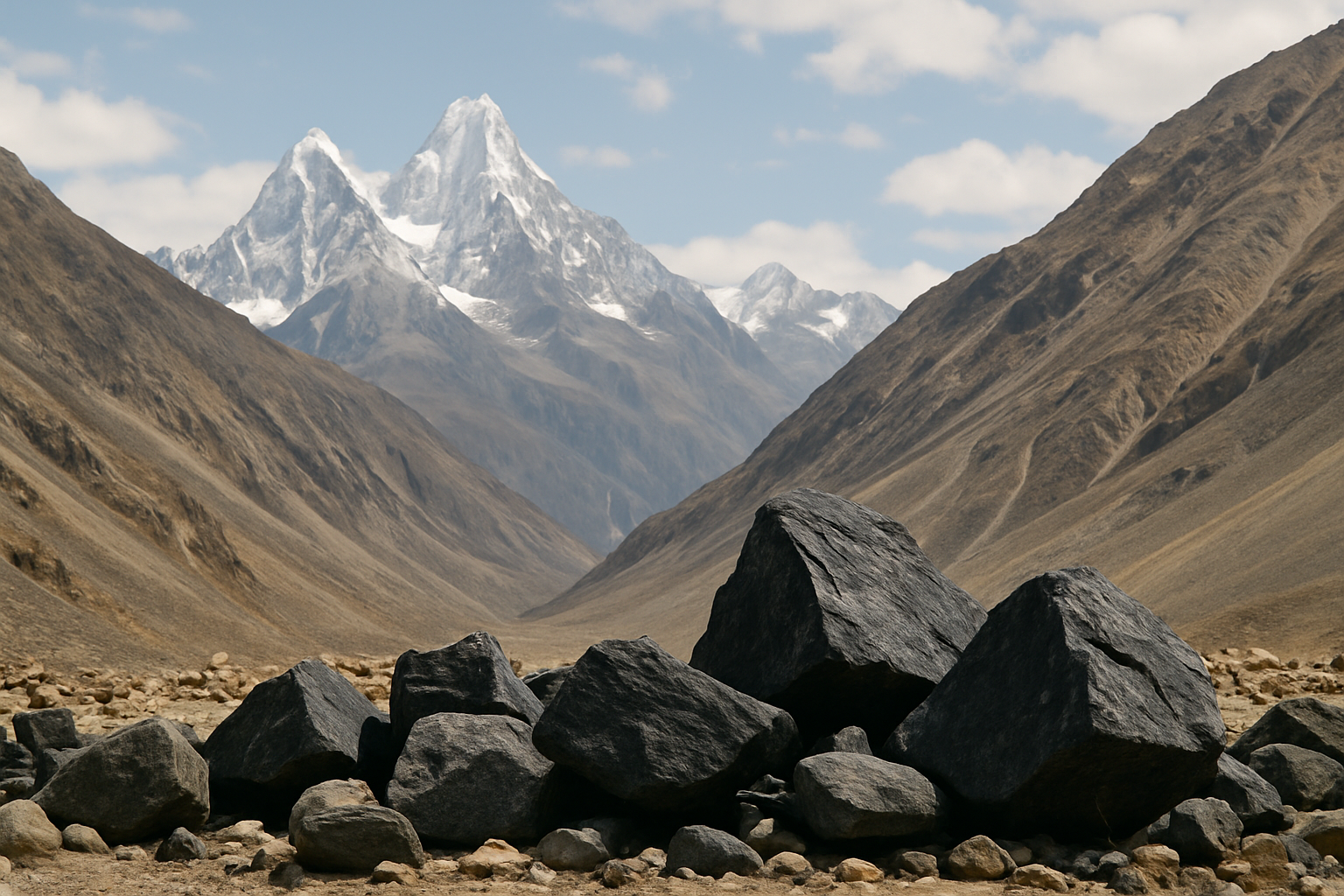
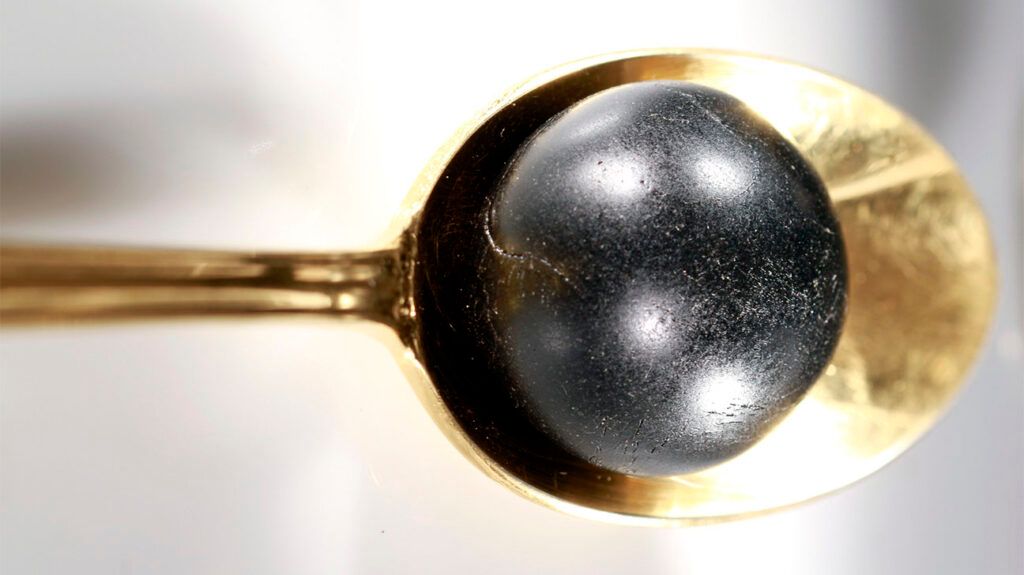
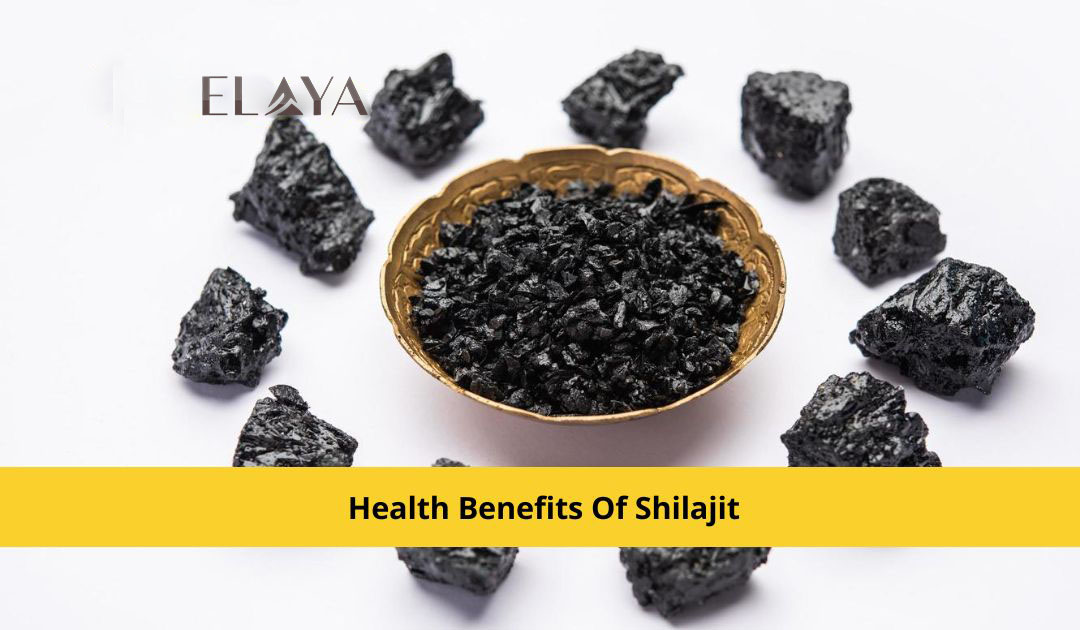
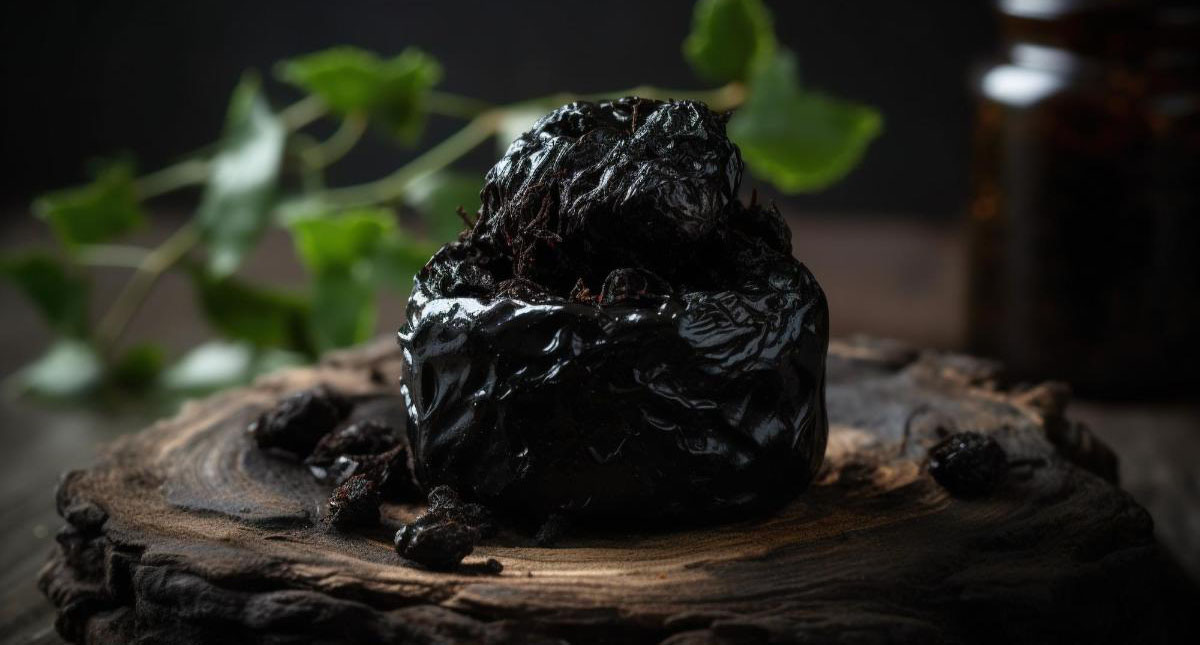
Shilajit is a rare, mineral-rich resin formed over centuries from the slow decomposition of plants in the high-altitude rocks of the Himalayas. With its dark, tar-like texture, it has been prized in Ayurvedic and Unani medicine for its powerful health benefits. Rich in fulvic acid, humic substances, and over 80 essential minerals, Shilajit supports energy, stamina, cognitive function, and overall vitality. When purified and consumed properly, it acts as a natural rejuvenator, detoxifier, and adaptogen — helping the body adapt to stress and restore balance.

Key Properties

    • Color: Dark brown to black resin
    • Taste: Bitter and earthy
    • Main Components:
      • Fulvic acid (powerful antioxidant and nutrient carrier)
      • Over 80 trace minerals (iron, zinc, magnesium, etc.)
    • Rich in Essential Minerals
    • Humic Acid
    • Adaptogenic Properties
    • Antioxidant and Anti-Aging Effects
    • Energy-Boosting Compound
    • Supports Hormonal Balance
    • Natural Detoxifier

Health Benefits

    • Boosts energy and stamina
    • Enhances mental clarity and focus
    • Supports testosterone and reproductive health
    • Aids detoxification and immunity
    • Fights fatigue and aging

Traditional Use

Shilajit has been used for thousands of years in traditional systems of medicine, particularly Ayurveda, Unani, and Siddha, where it is revered as a powerful rejuvenator and natural healer. In Ayurveda, it is classified as a Rasayana—a substance that promotes longevity, vitality, and overall health. Ancient texts describe Shilajit as “the conqueror of mountains and destroyer of weakness,” emphasizing its role in enhancing physical strength, mental clarity, and immune resilience. It was traditionally used to treat a wide range of ailments, including fatigue, sexual weakness, digestive disorders, and age-related decline. Practitioners believed that Shilajit restored the body’s natural balance by nourishing the tissues (dhatus) and supporting the life force (prana). Its reputation as a sacred and potent natural remedy continues today, backed by both tradition and modern research.